The Gillo Pontecorvo Archive, Twenty Years After his Death
Gillo Pontecorvo: a pivotal figure in Italian cinema, whose films tackled themes of great historical and political significance, such as colonialism and the struggle for independence and self-determination of peoples. Twenty years after the director’s death, preserving his legacy means continuing to examine not only his work, but also the present.
The Museo Nazionale del Cinema preserves Gillo Pontecorvo’s entire personal archive, donated by his wife Picci Ziino and his sons Ludovico, Marco and Simone in 2013.
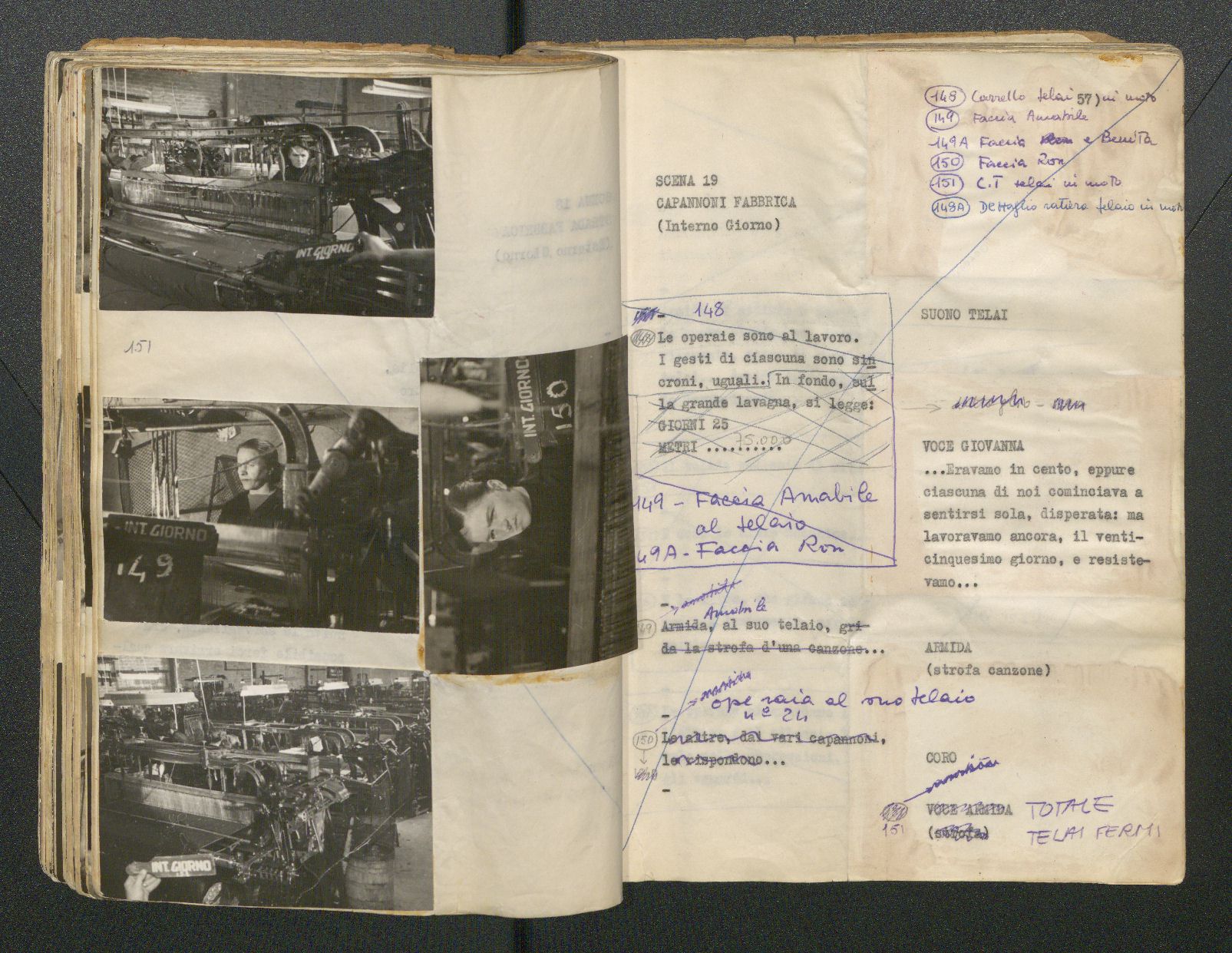
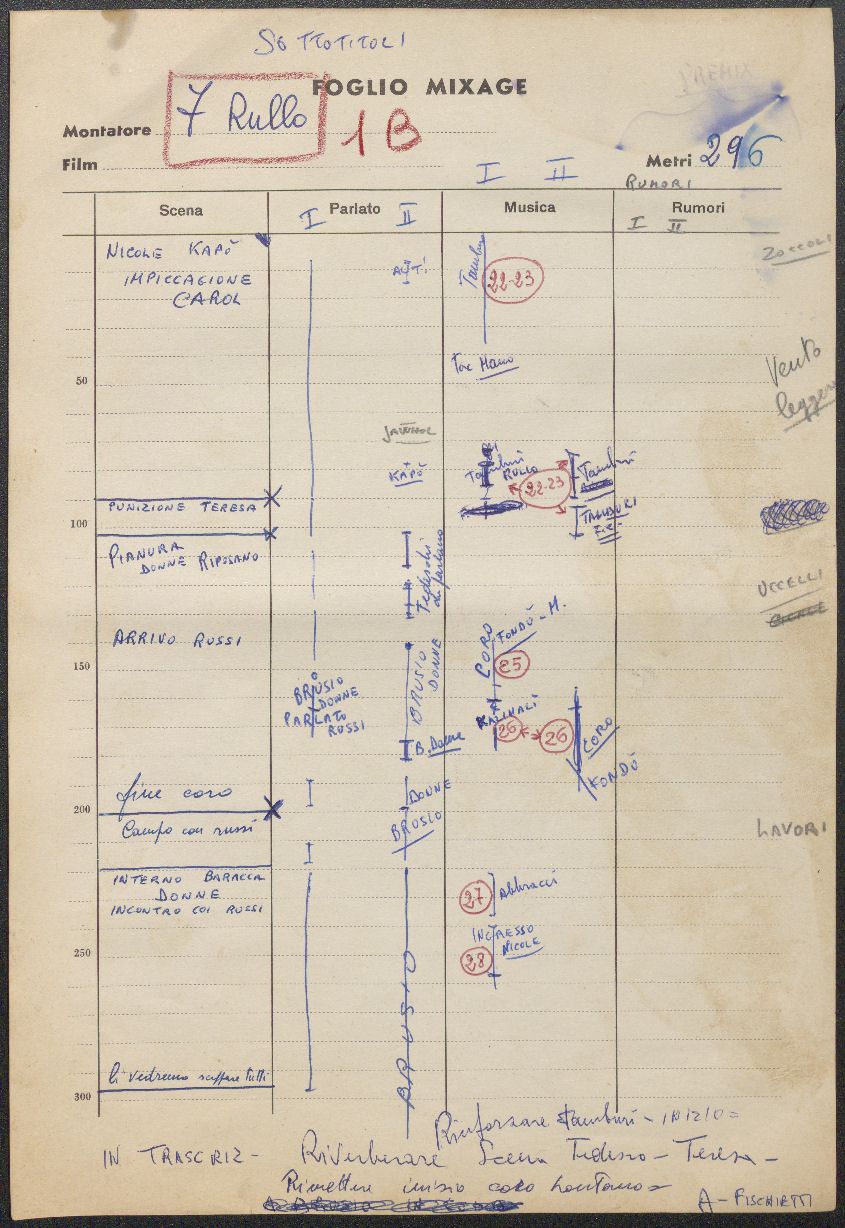
Comprising over 1,000 archive files, more than 6,000 photographs, around 500 magazines and press reviews, as well as dozens of posters and promotional materials, this extraordinary collection documents the director’s entire career, from his early days as a documentary-maker and assistant director to the final years of his work life. Among his most important films are Kapò (1960) and Queimada (1969), and above all his greatest masterpiece: The Battle of Algiers (1966), winner of the Golden Lion at the Venice Film Festival and acclaimed worldwide. The sources allow us to trace the development of the films at every stage: from initial ideas to storylines, from the screenplay to filming up to post-production and distribution.
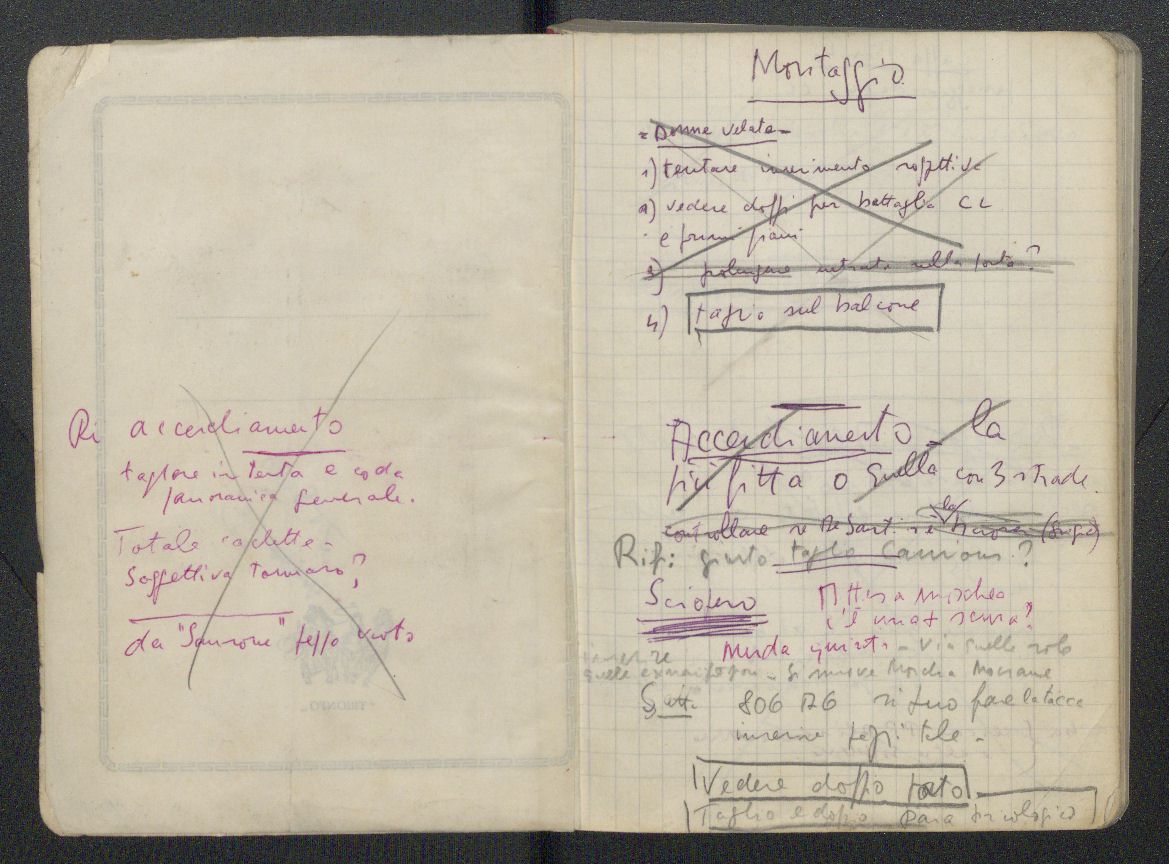
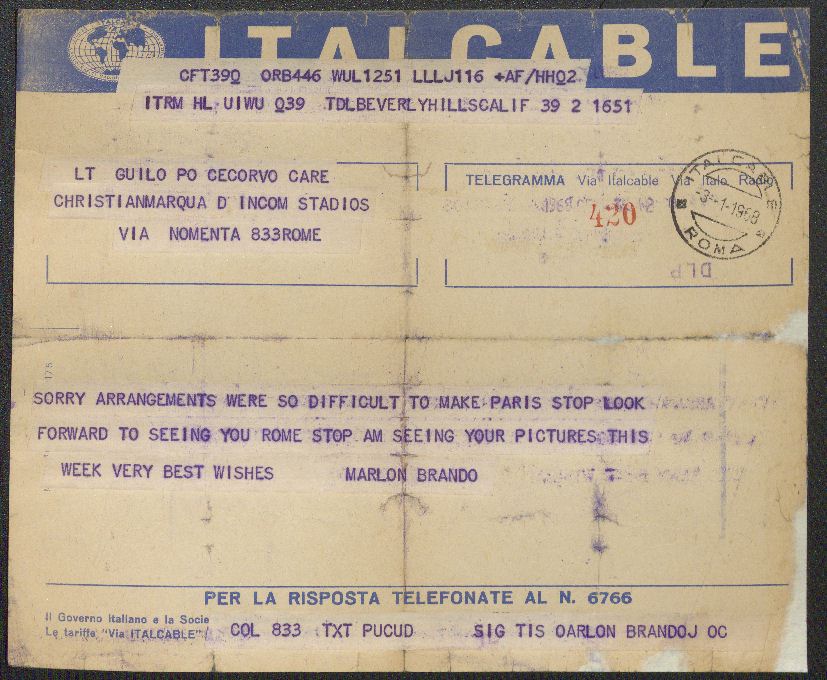
However, the collection also offers an insight into what lies behind the works: ideas, doubts, unrealised projects, professional collaborations and personal experiences. Alongside his completed works, the Pontecorvo Archive preserves material related to numerous unfinished projects, revealing lesser-known interests and creative paths. Letters and telegrams also document the extensive network of professional and personal connections forged by Pontecorvo, ranging from his exchanges with the screenwriter Franco Solinas and the composer Ennio Morricone to his relationships with international figures such as Joris Ivens, Gregory Peck, Robert Aldrich and Marlon Brando.
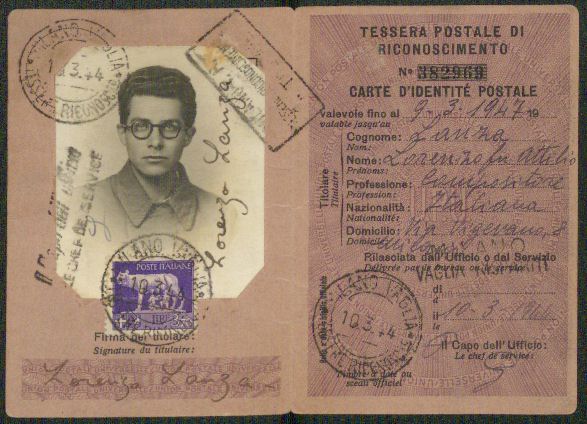
The collection reveals not only the work of a great director, but also the life of a man who lived with intense passions: his involvement in the anti-fascist Resistance, his political commitment, his work as a journalist, his love for music, his cultural activities – notably his tenure as director of the Venice Film Festival from 1992 to 1996 – and, through diaries, notes and letters, his most personal and private life.
Sixty years on from the release of his masterpiece The Battle of Algiers and twenty years since the director’s death, the Gillo Pontecorvo Archive therefore offers the opportunity to retrace not only the life and work of a great filmmaker, but also the history of the twentieth century in all its richness and complexity.