My Name Is Orson Welles
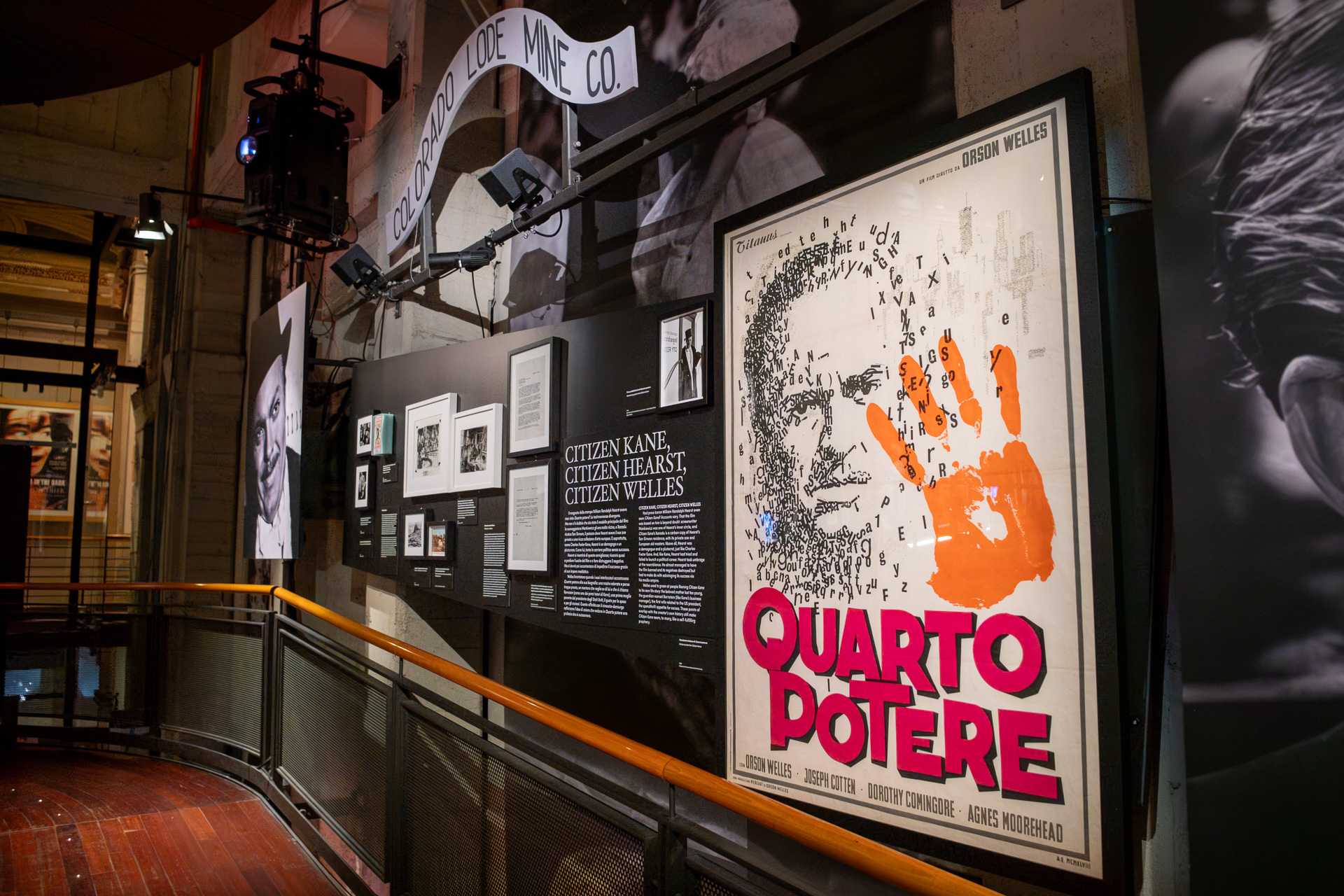
From April 1 to October 5, 2026, the Museo Nazionale del Cinema will host the prestigious exhibition “My Name Is Orson Welles”. Conceived by the Cinémathèque française and curated by its director, Frédéric Bonnaud, the exhibition features more than 400 items, some of which have never been displayed before, from various public and private collections and from the Museo Nazionale del Cinema’s Orson Welles Collection.
With Citizen Kane, he revolutionized the language of cinema; in The Lady from Shanghai, he created one of the most hypnotic sequences in film history; with F for Fake, he anticipated the mockumentary; and his Falstaff remains the finest Shakespeare adaptation ever made.
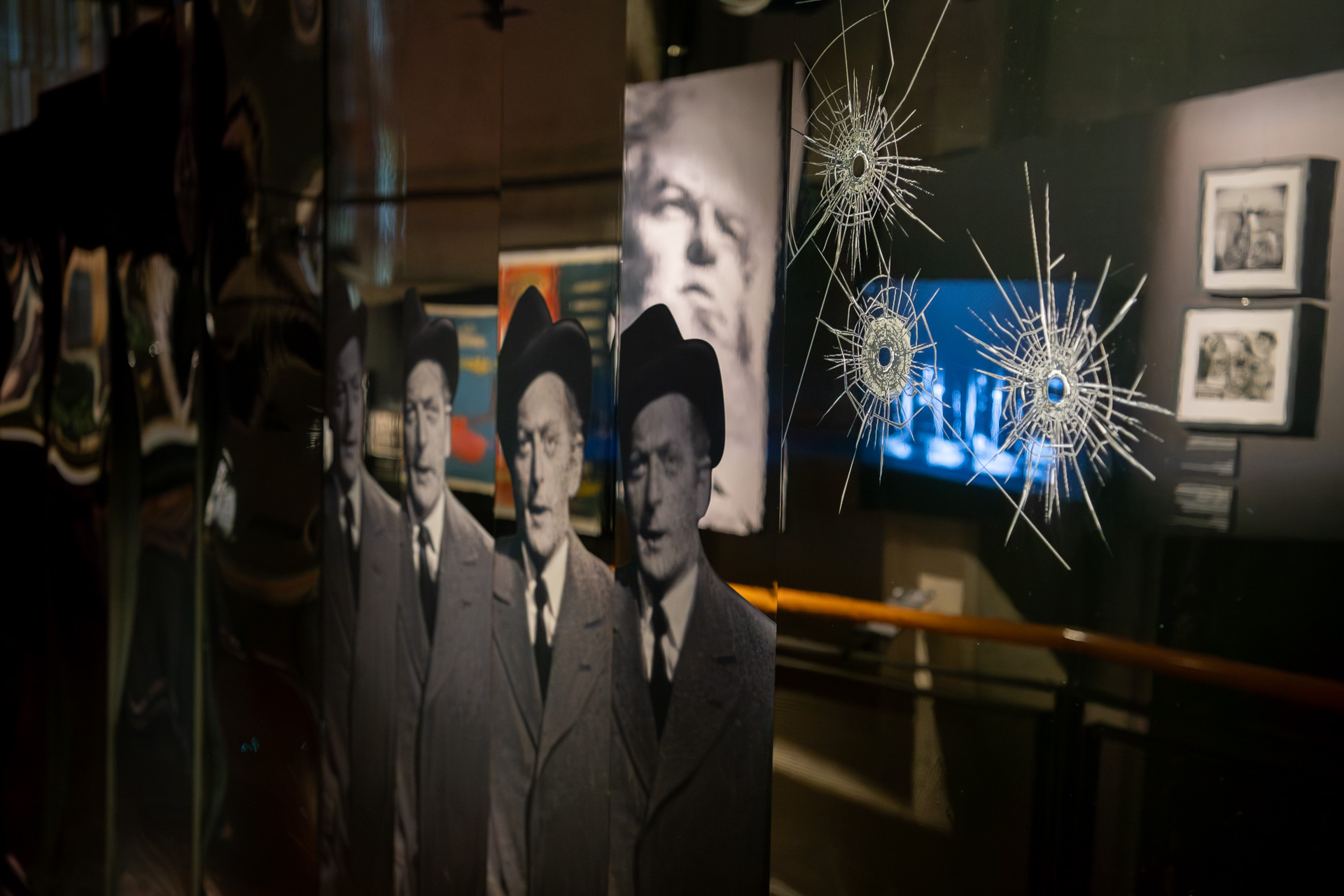
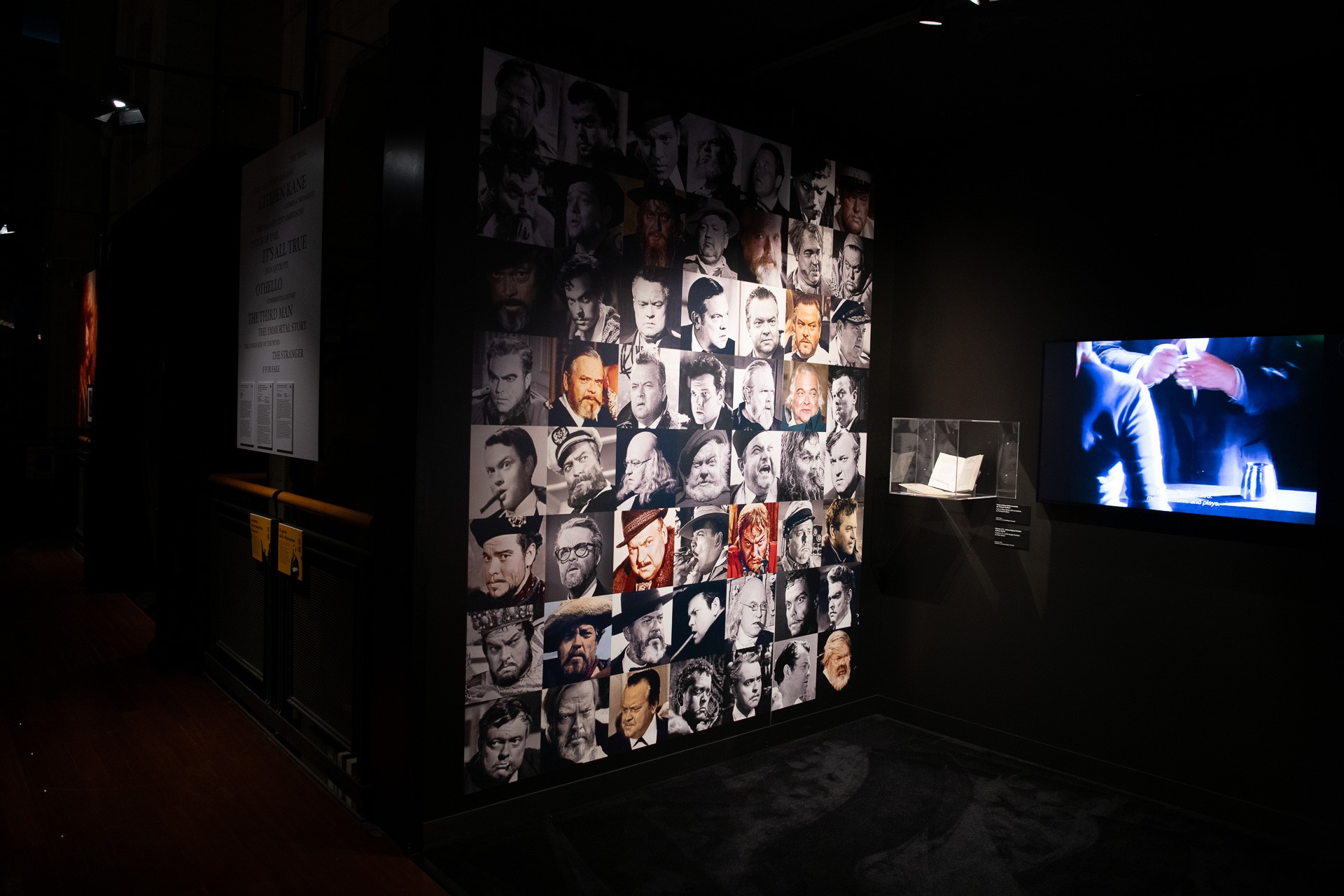
Director, actor, writer, illusionist, radio storyteller and experimenter with visual and sound language, Welles turned transformation into a true poetic signature. Masks, disguises, and multiple identities run throughout his work: his own face becomes the space of continuous invention. The exhibition design extends the creative force of the American genius through an immersive and narrative journey, in which cinema is revealed as the art of illusion: not mere “fiction”, but a tool for questioning the truth of images.
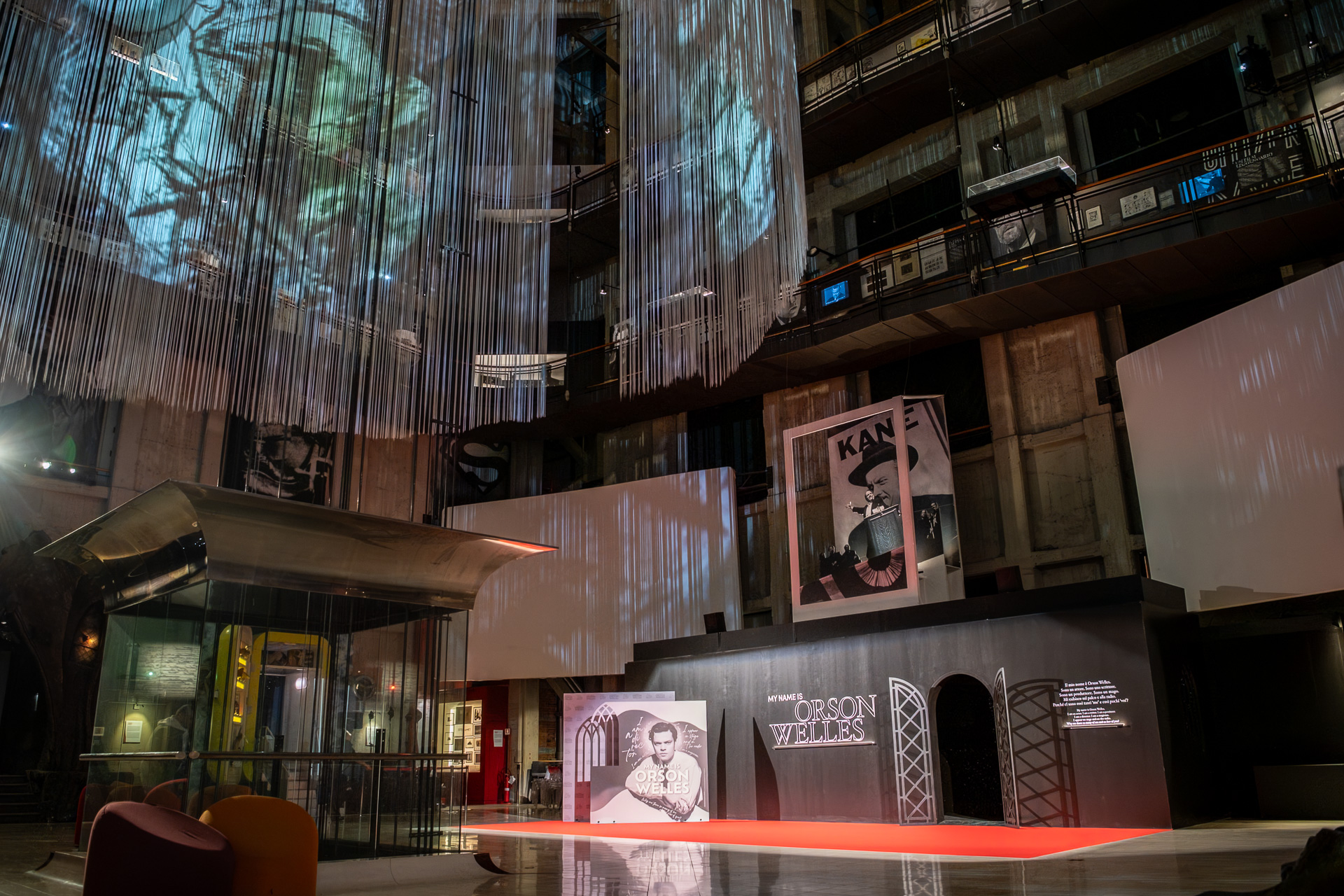
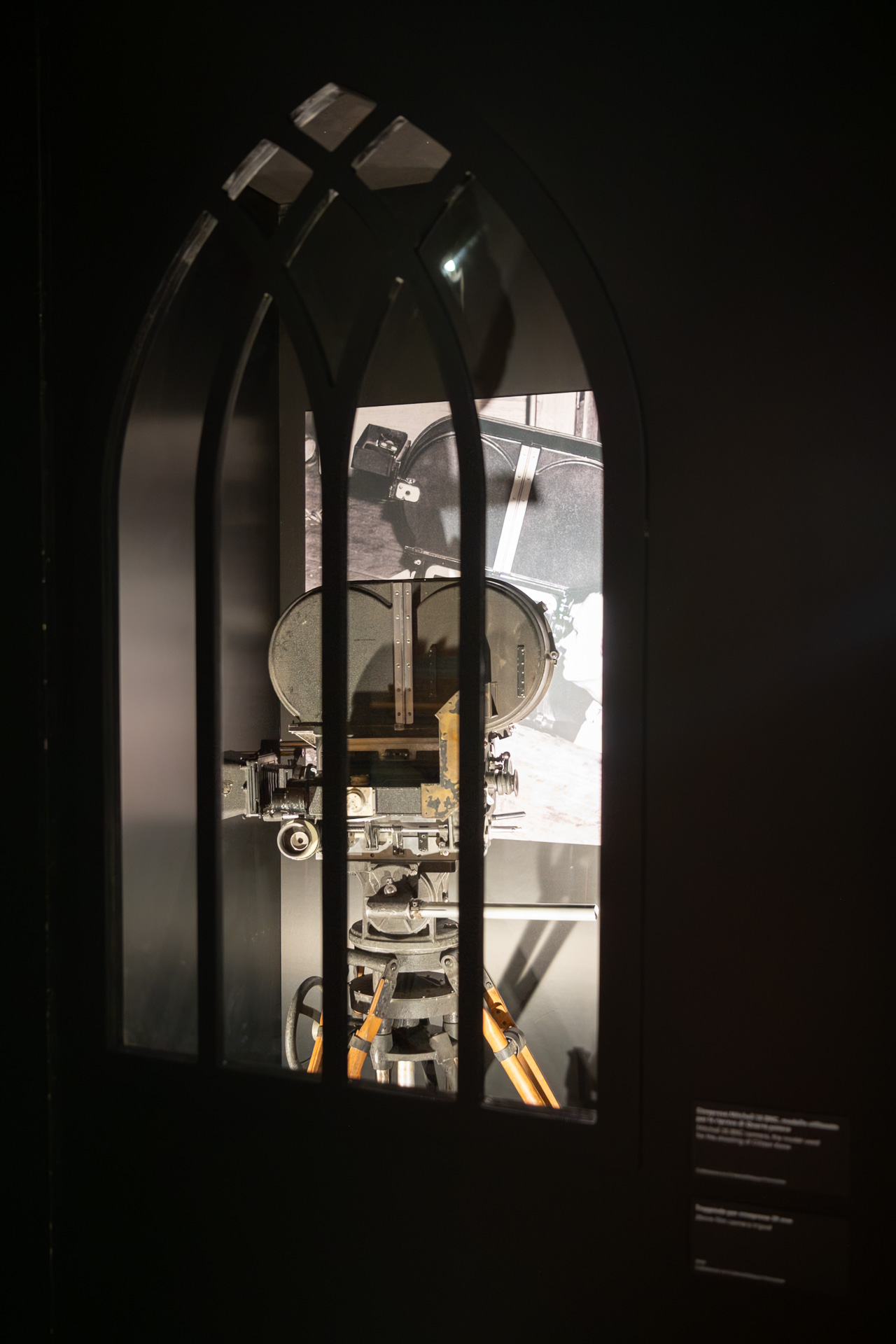
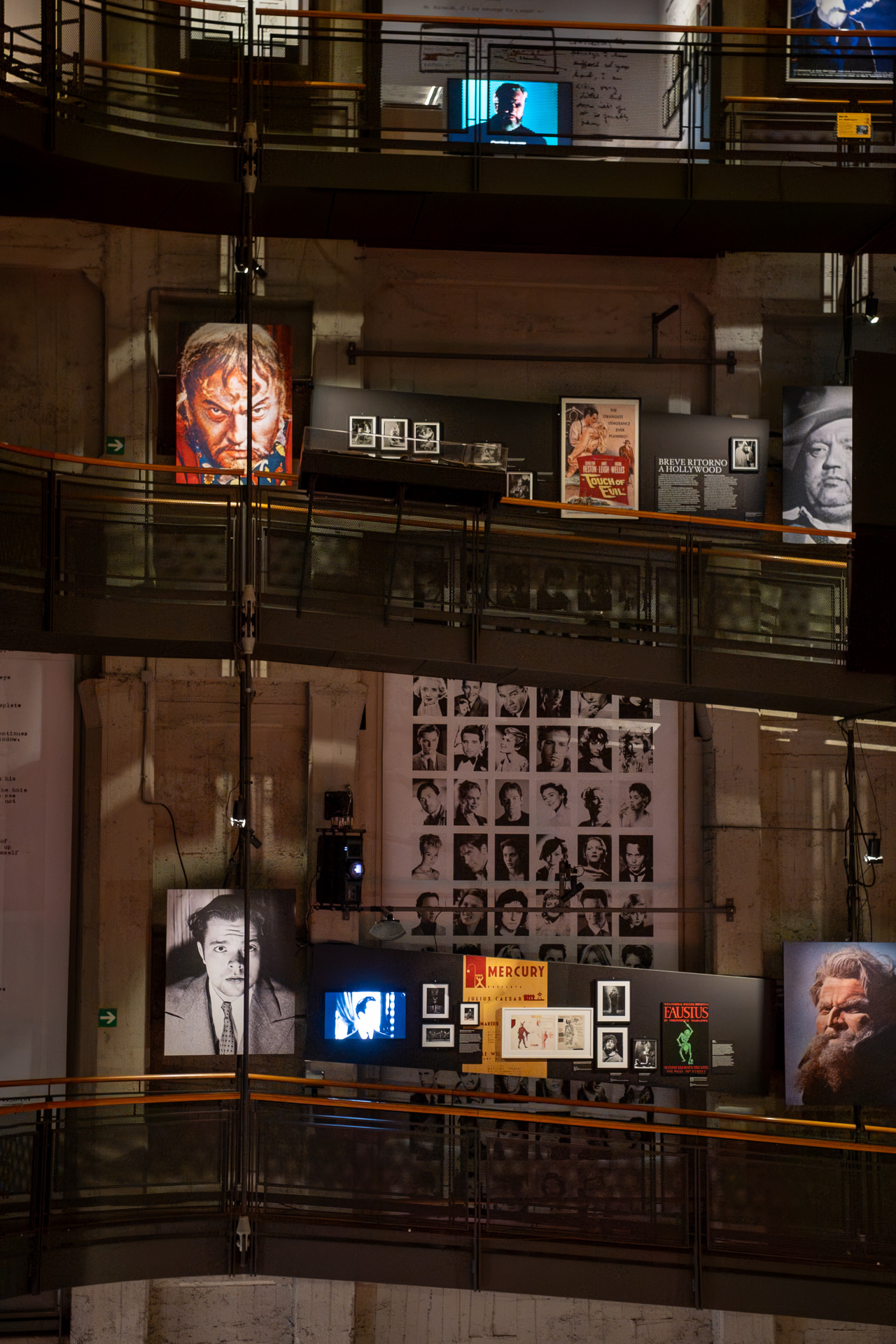
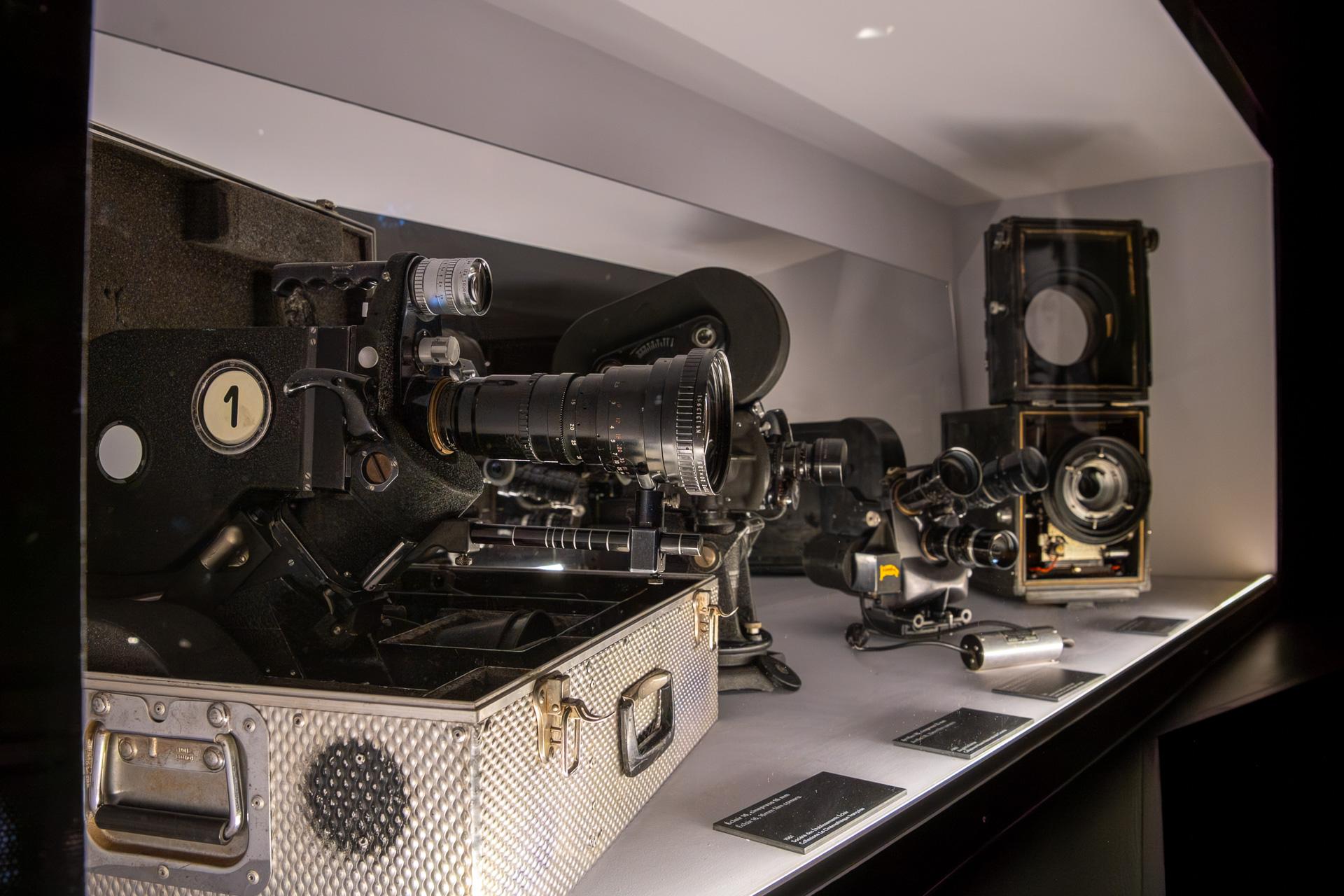
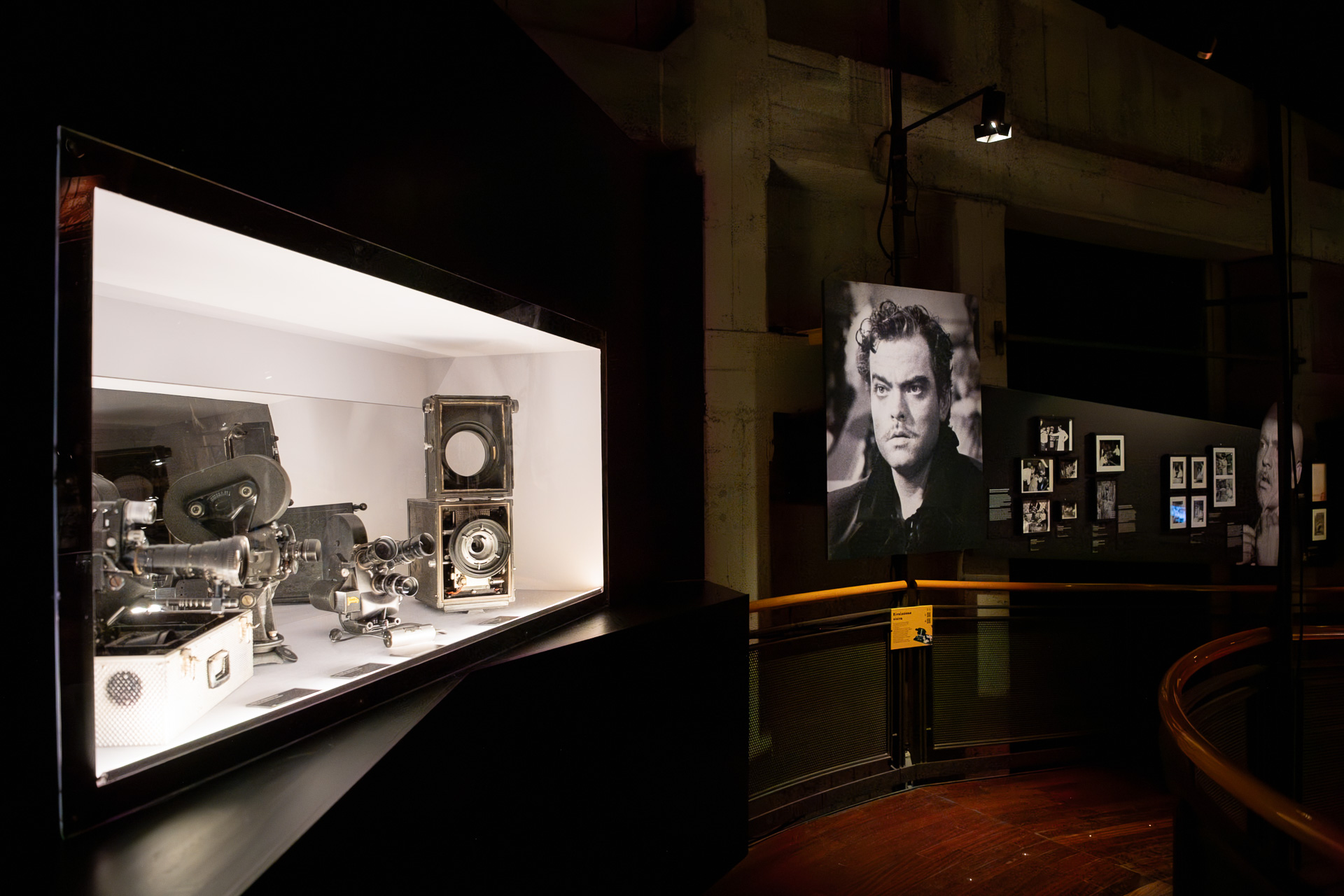
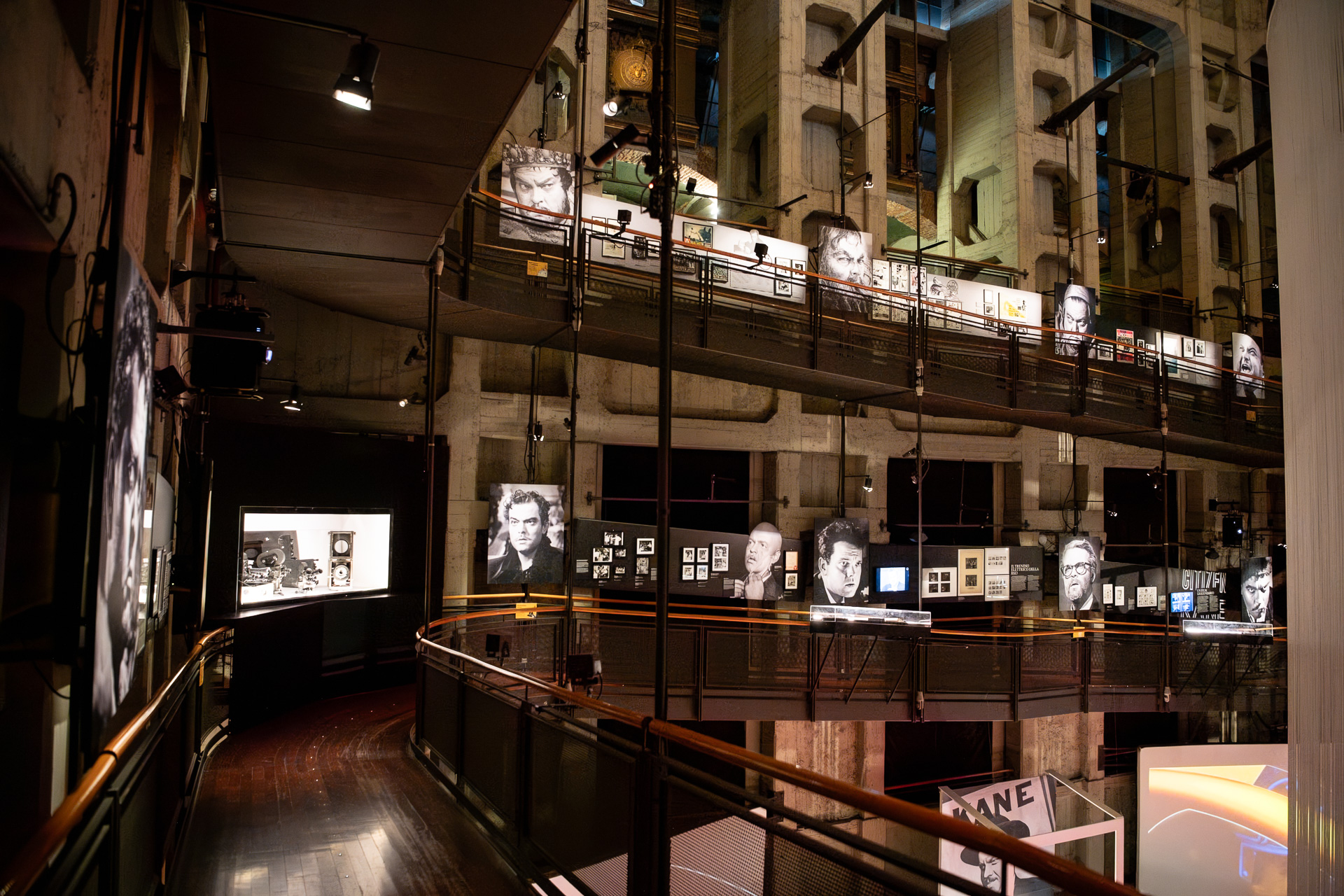
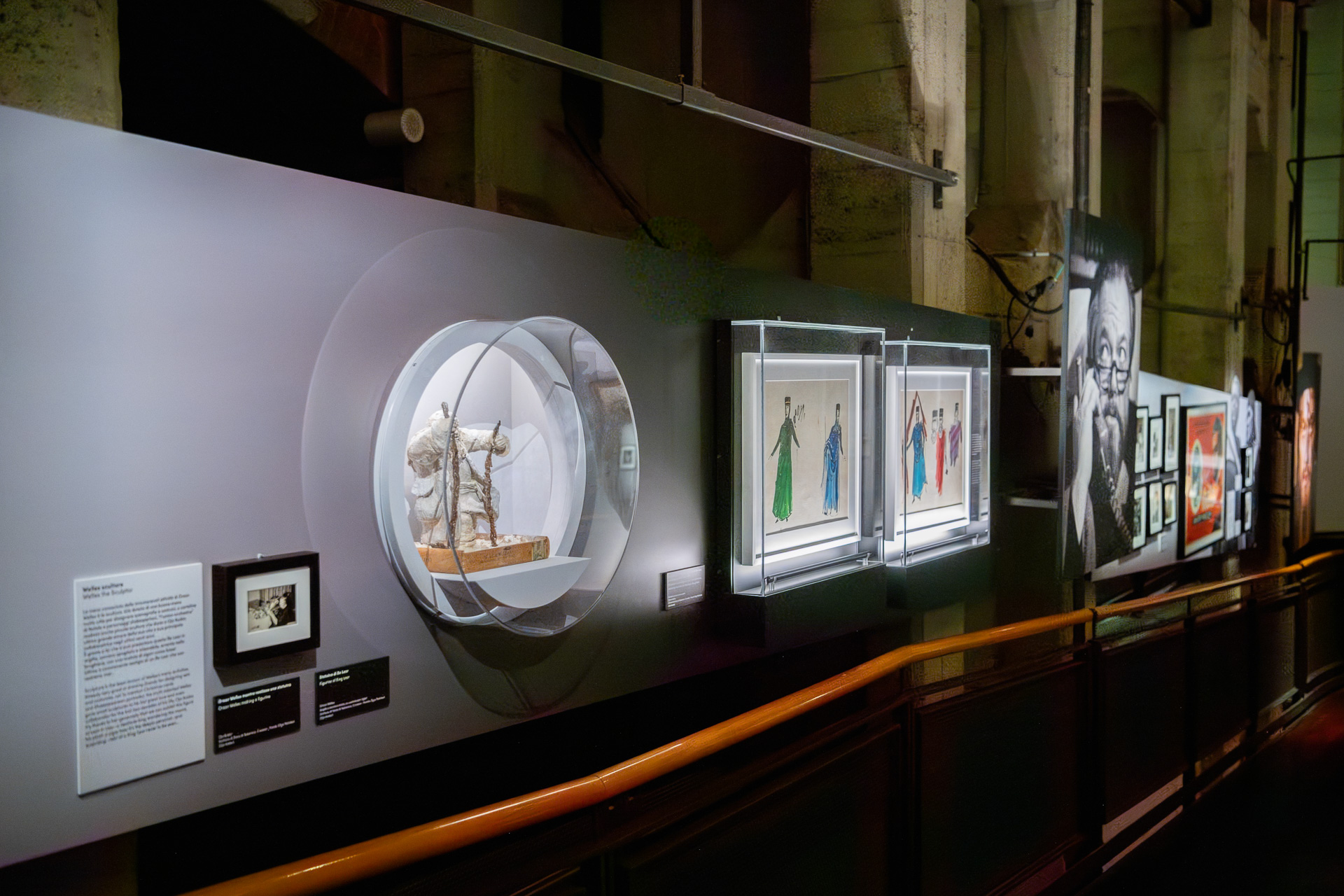
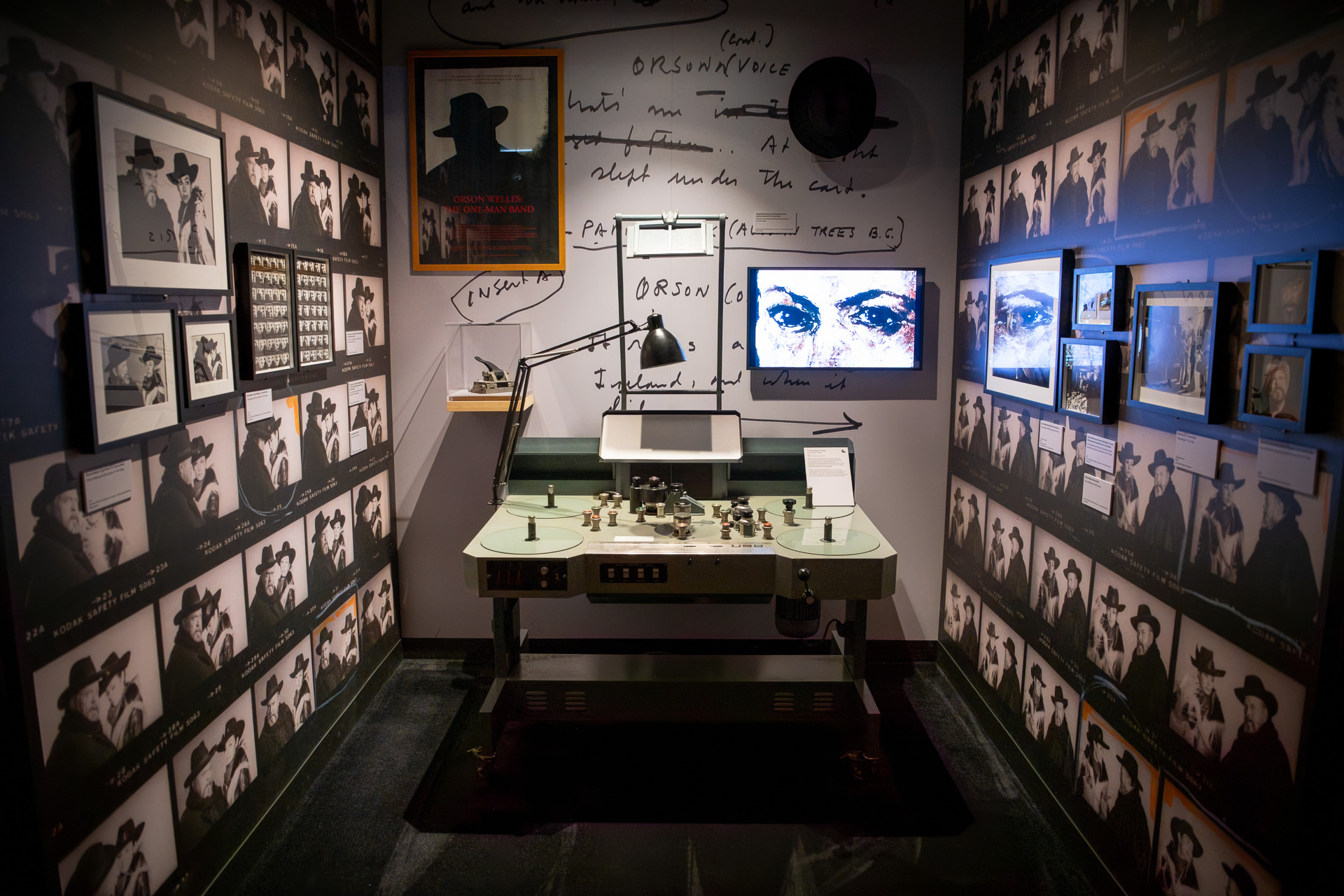
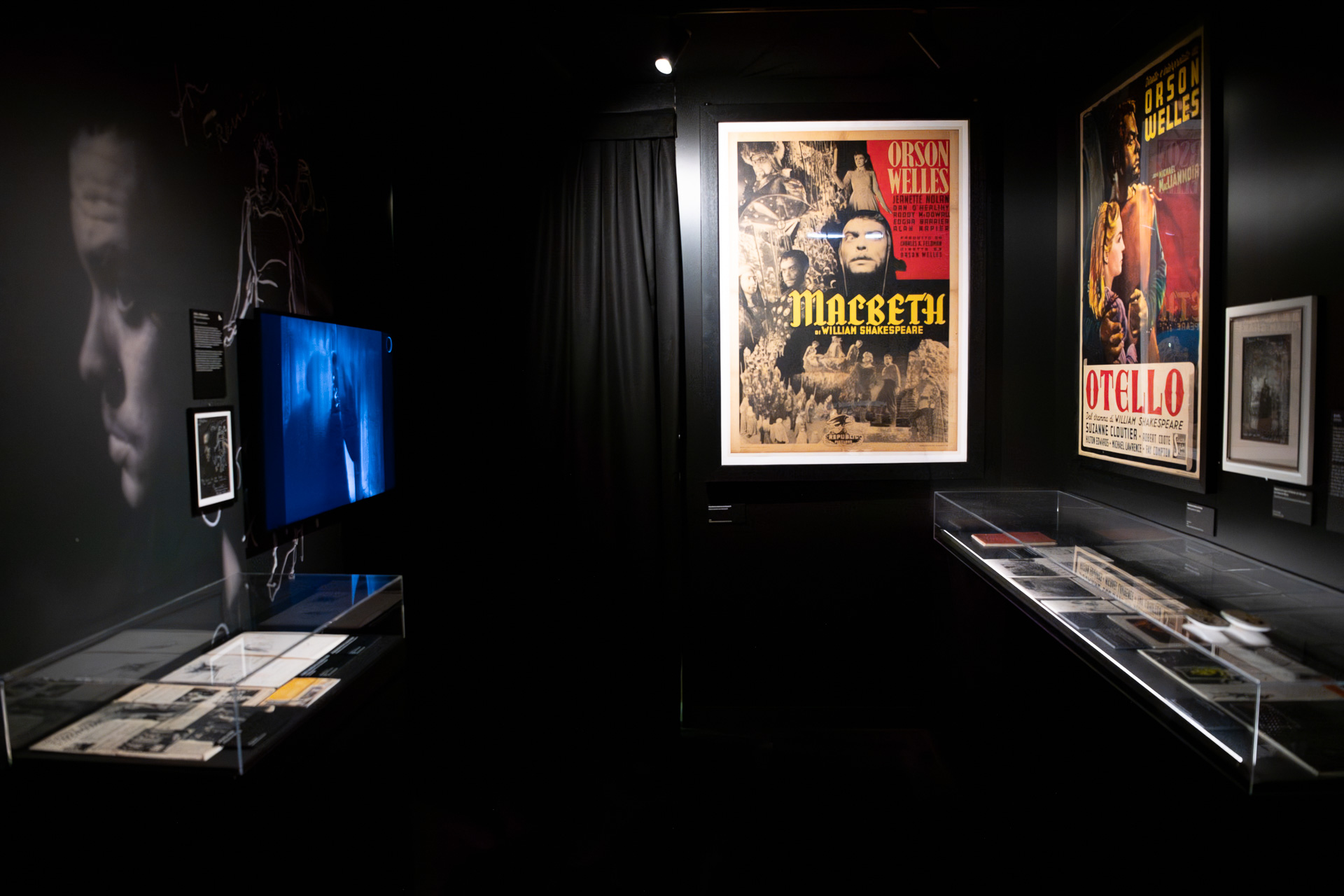
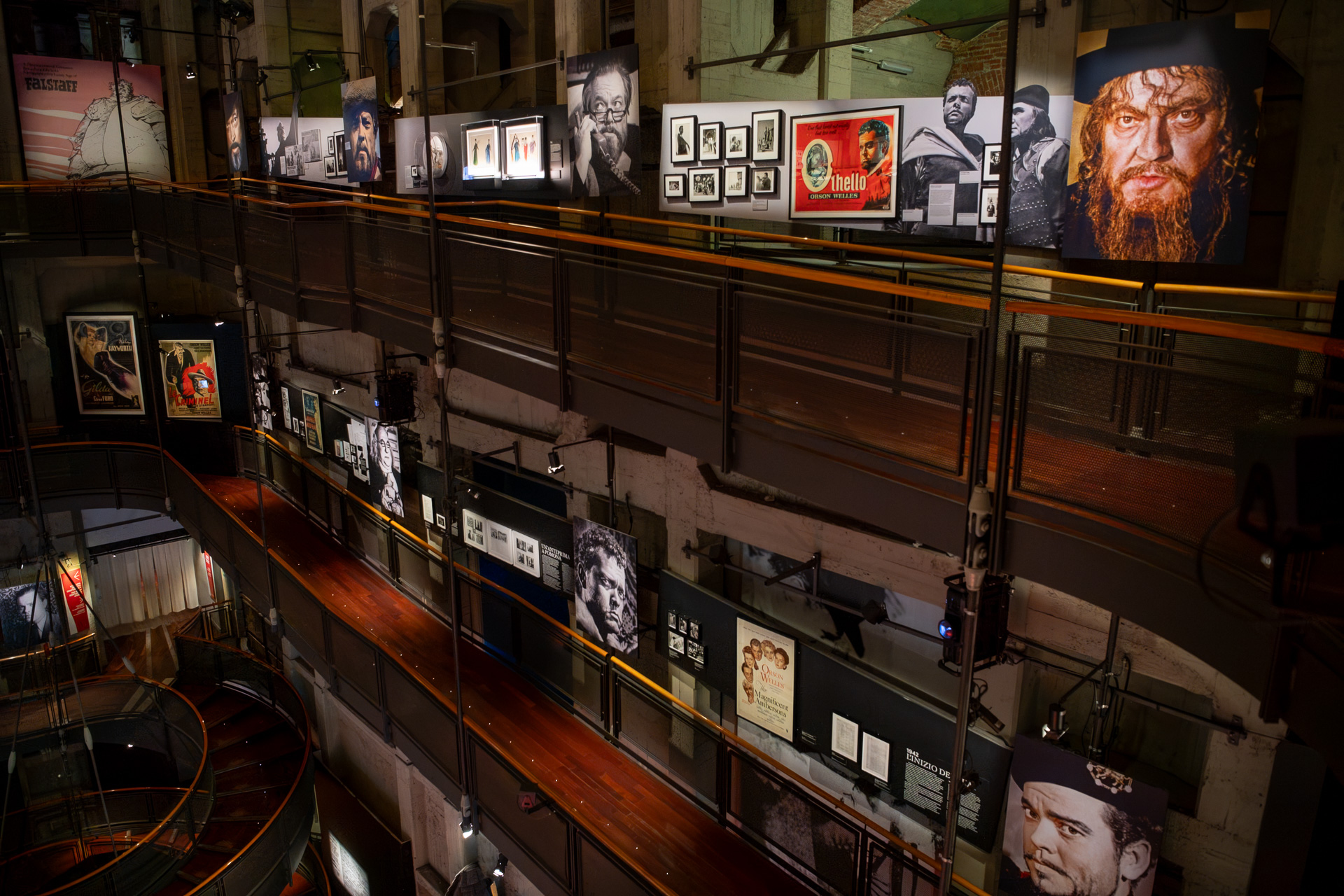
Staged along the spectacular helical ramp of the Temple Hall inside the Mole Antonelliana, the exhibition retraces the life and career of the great director through photographs, archival documents, drawings, posters, audiovisual materials, and installations.
The exhibition route begins in the Temple Hall, where visitors are welcomed by three screens suspended 18 metres above the floor from the fabric structure surrounding the panoramic lift. These screens highlight the hypnotic dimension of one of the most iconic sequences in film history: the hall-of-mirrors scene from The Lady from Shanghai.
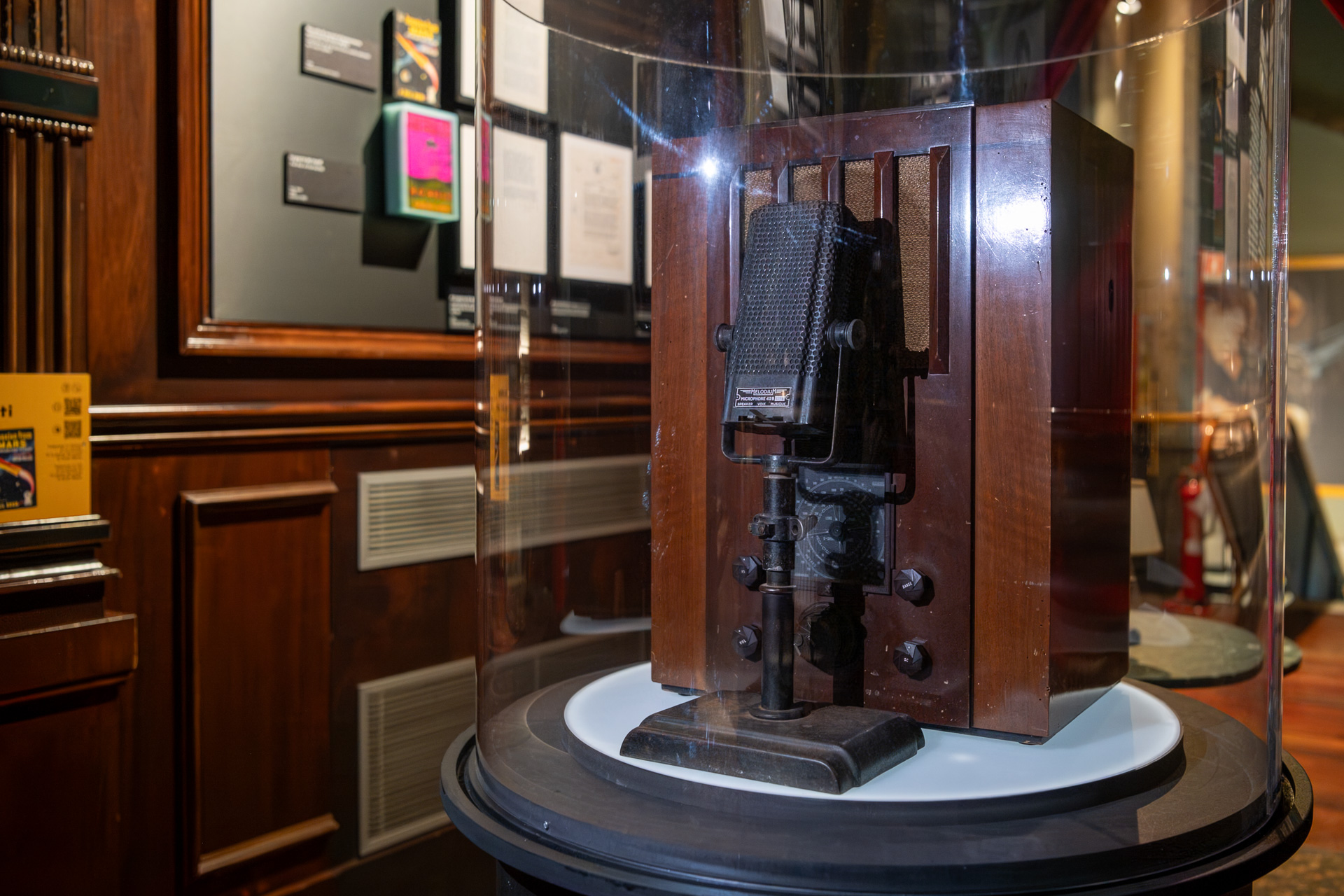
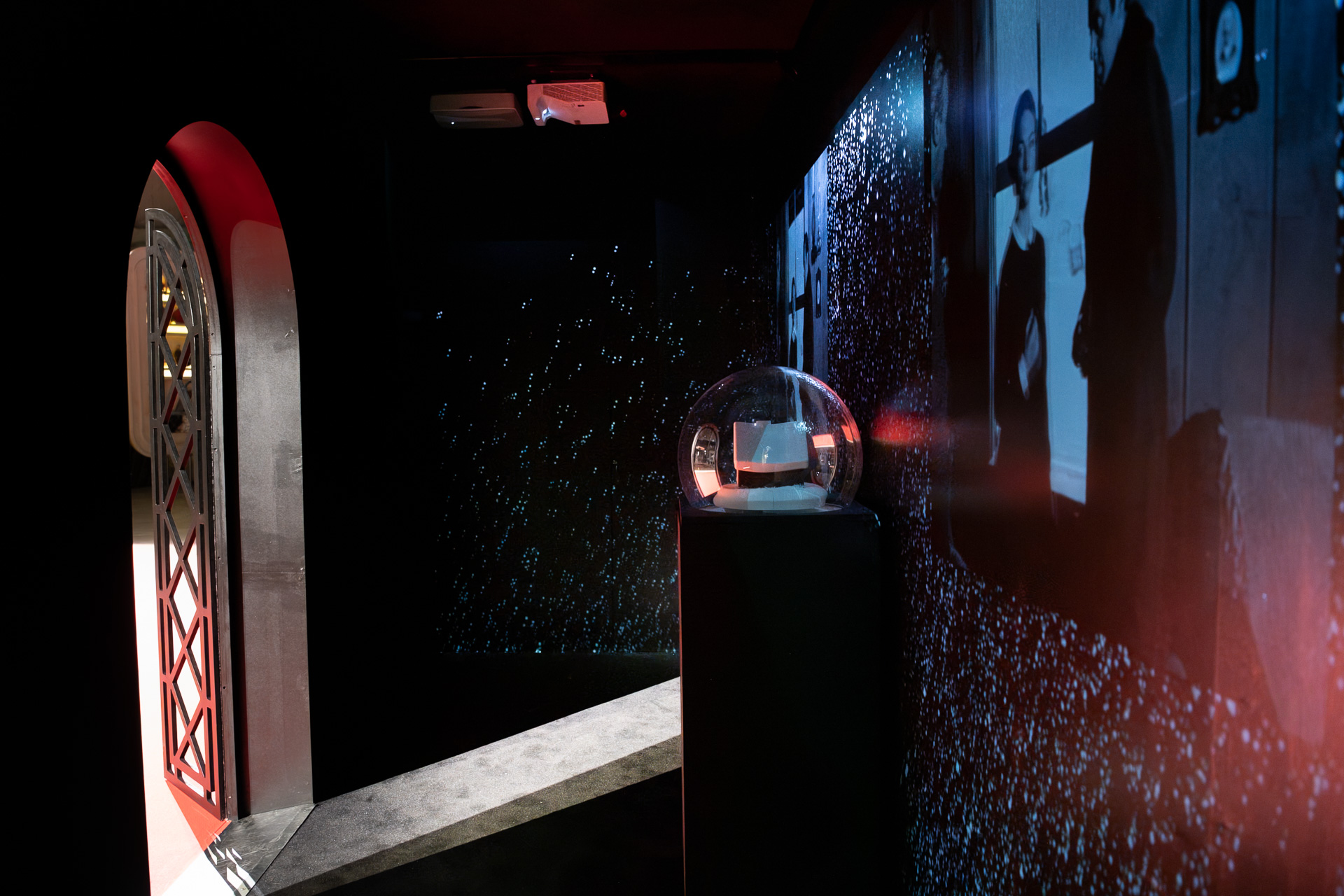
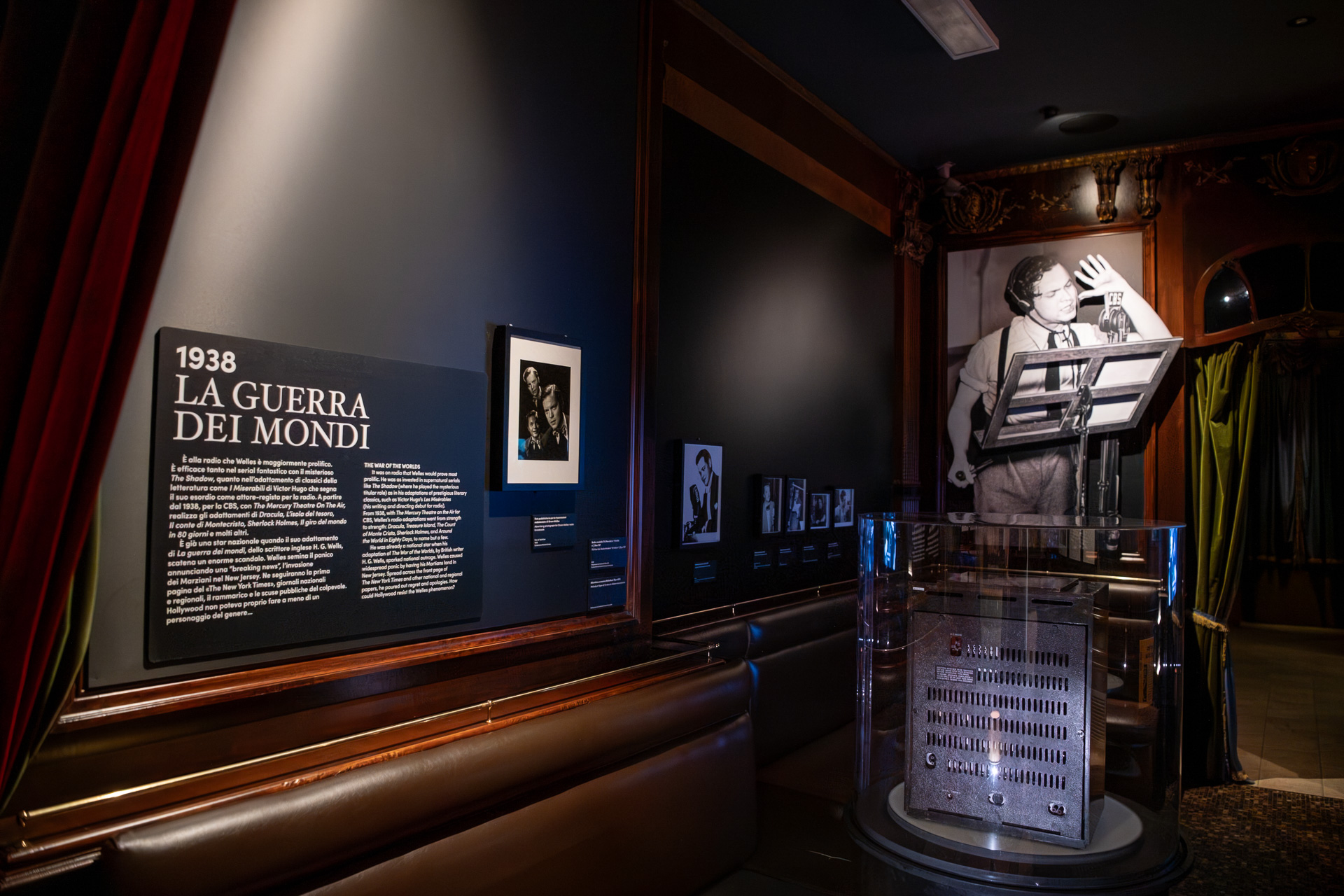
Also in the Temple Hall, an installation dedicated to Rosebud immerses visitors in the atmosphere of Citizen Kane, while the Caffè Torino chapel is transformed into the RKO radio studio from which, in 1938, Welles terrified radio listeners with his broadcast of The War of the Worlds.
The exhibition unfolds along the helical ramp and is divided into five thematic sections — 1915–1939 Wonder Boy; 1941 Citizen Kane; 1942 The Beginning of Trouble; 1947–1968 A Star in Europe; 1969–1985 A King Without a Kingdom — offering an in-depth look at one of the most innovative and controversial figures in film history and conveying to the public the complexity of an artist who defies easy categorization.
The tribute to Orson Welles continues at Cinema Massimo, where a retrospective of films directed by him or starring him will run from April 2 to 15, 2026.
Throughout the exhibition period, public initiatives, dedicated guided tours, and activities for schools will be organized.
To coincide with the exhibition, La nave di Teseo will publish Orson Welles’s previously unpublished novel Un pezzo grosso. Published only in France back in 1953 and never in the United States or any other English-speaking countries, an original English-language copy of the work was recently discovered in the Museum’s Welles Collection.
| Monday | 9.00 - 19.00 |
| Tuesday | chiuso |
| Wednesday | 9.00 - 19.00 |
| Thursday | 9.00 - 19.00 |
| Friday | 9.00 - 19.00 |
| Saturday | 9.00 - 19.00 |
Last admission one hour before closing.